Introduction
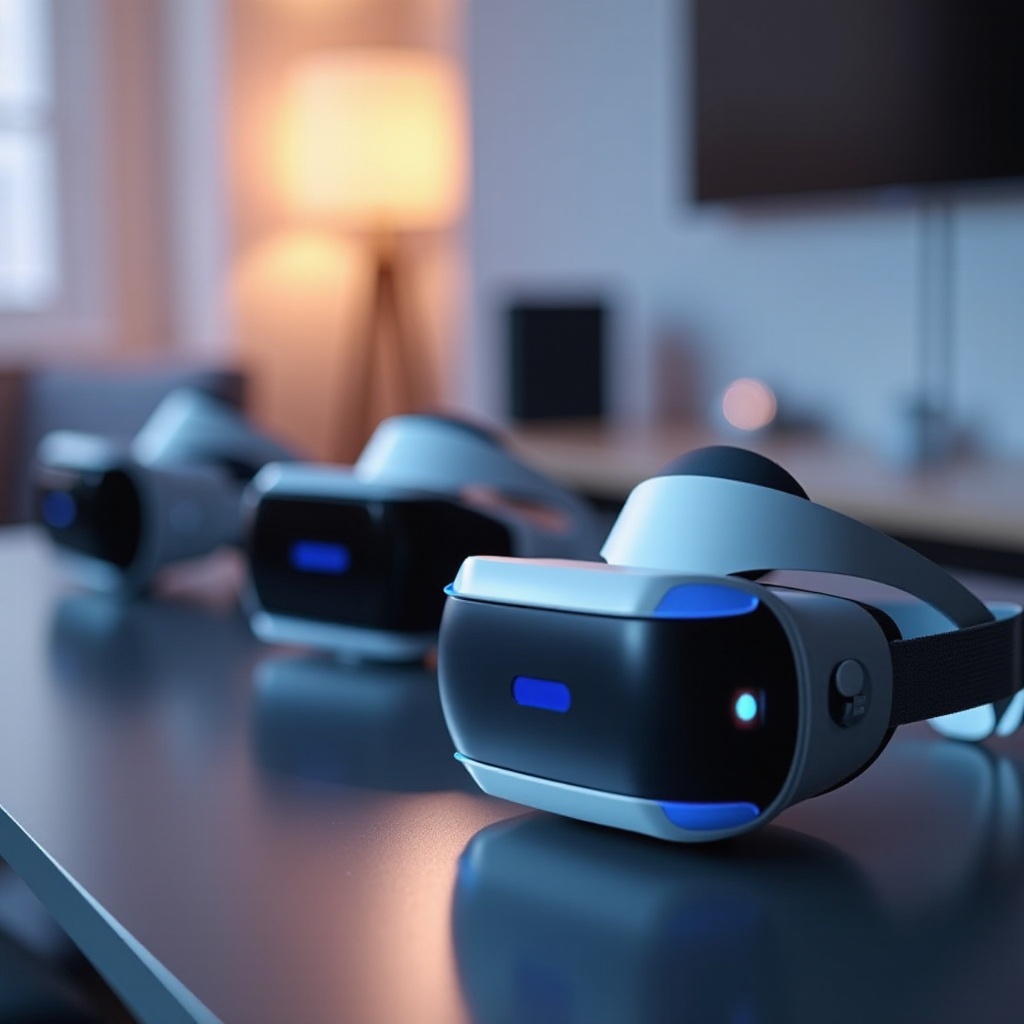
Dual screen TVs coupled with glasses are reshaping our media consumption, offering a more immersive and interactive home entertainment experience. These innovative technologies are key in 2024’s landscape, making significant strides in both functionality and viewer satisfaction. Dive in with us as we explore why dual screen TVs and glasses are at the forefront of modern entertainment technology.
Understanding Dual Screen TVs
Dual screen TVs are not just a trend; they provide a multitasking powerhouse that enhances how media is consumed. This section explores what makes these TVs unique and the current technological advances.
What are Dual Screen TVs?
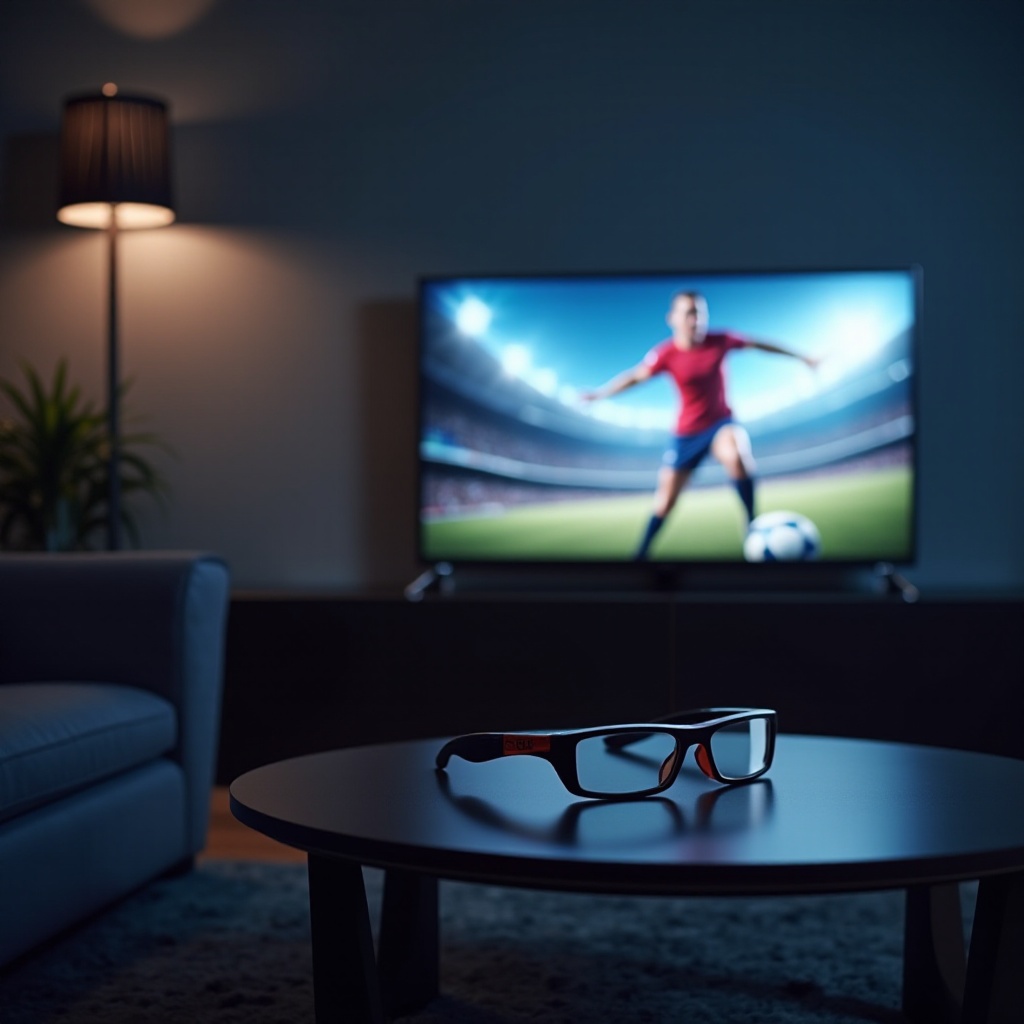
Dual screen TVs integrate two distinct display areas into one television unit, allowing viewers to interact with different content simultaneously. Picture watching a movie on one screen while browsing social media or checking sports scores on the other. These TVs offer more than just added convenience; they symbolize the shift towards a more holistic media center at home.
Technical Aspects and Innovations in 2024
The leap in technology has been substantial. 2024 sees dual screen TVs featuring OLED and QLED panels for superior visuals. These TVs boast faster processors and improved AI, allowing users to tailor their viewing experience. Expect enhanced responsiveness and seamless integration across various smart home devices, elevating both utility and enjoyment.
The Role of Glasses in Dual Screen TV Experience
Glasses are not an outdated accessory; they are a core component of the modern dual screen TV experience, particularly for 3D and advanced formats.
How Glasses Enhance Viewing
By utilizing active shutter glasses, viewers can enjoy crisp, high-definition 3D imagery. These glasses effectively sync with the TV to deliver immersive visuals, enhancing the depth and vibrancy of whatever you’re watching. They’re designed for comfort, minimizing eye strain and prolonging enjoyment.
Types of Glasses Used with Dual Screen TVs
Various glasses cater to specific needs:
– Passive 3D Glasses: Lightweight, ideal for casual watching.
– Active Shutter Glasses: Provide an exceptional 3D experience, especially suited for movie buffs and gamers.
– Polarized Glasses: Great for environments requiring brightness control.
These options allow viewers to customize their experience, optimizing comfort and functionality based on their viewing habits.
Benefits of Dual Screen TVs with Glasses
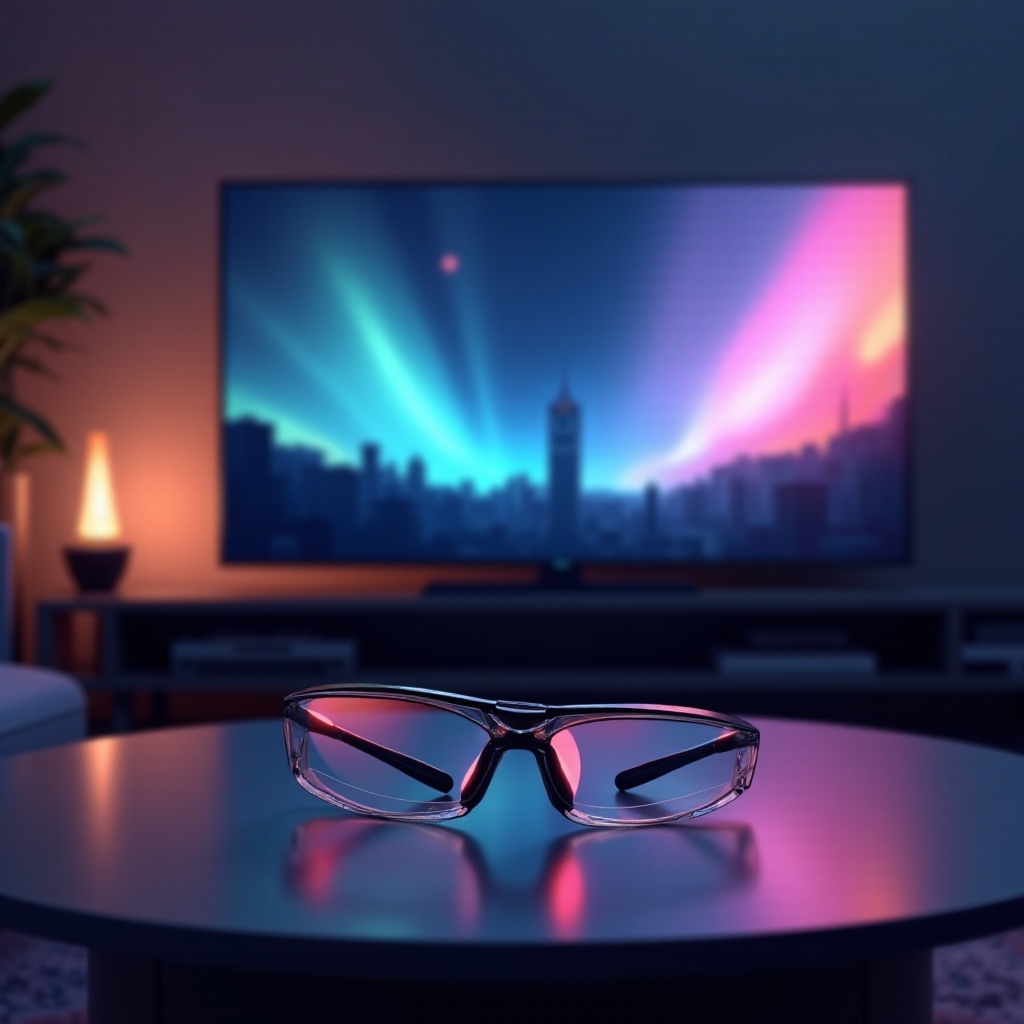
Combining dual screen technology with glasses offers unparalleled advantages, transforming ordinary viewing into an extraordinary experience.
Improved Entertainment Experience
The core attraction of dual screen TVs is their ability to multitask. Viewers can keep up with social media or check real-time news while watching TV, making these units central to social and entertainment gatherings.
Advantages for Gamers and Sports Fans
For gamers, dual screen TVs offer a strategic advantage by allowing separate screens for gameplay and strategy guides. Sports enthusiasts can keep close tabs on matches while simultaneously reviewing player statistics. This level of simultaneous interaction enriches the viewing experience.
Challenges and Considerations
Despite the perks, there are some considerations to weigh before investing in dual screen TVs with glasses.
Cost and Compatibility Issues
These TVs can carry a high price tag, especially when accessories like glasses are factored in. Potential buyers need to consider whether current media content supports dual screen or 3D technology, as this affects the full utilization of device features, balancing cost and content availability is crucial.
User Comfort and Health Concerns
While glasses improve viewing quality, they can still cause discomfort if used improperly over extended periods. Consumers must adhere to best practices for use to minimize eye strain and maximize comfort, ensuring a delightful experience.
Market Overview and Buying Guide
Navigating the market can be daunting, given the multitude of available options. This section guides consumers on making informed choices.
Leading Brands and Models in 2024
Leading manufacturers like Samsung, LG, and Sony offer cutting-edge models, pushing the boundaries of what’s possible in home entertainment. Features such as high-definition imaging, robust connectivity, and interactive user interfaces set these products apart. Understanding the strengths of each brand helps buyers choose what suits their preferences and requirements.
Key Considerations for Purchasing
To make a savvy purchase, consider the following:
1. Purpose: What will you use the TV for? Gaming, movies, multitasking?
2. Space: Ensure the TV fits your room’s layout and aesthetic.
3. Budget: Evaluate your core needs against pricing to ensure value.
4. Content: Verify that there is ample content available to take full advantage of the TV’s capabilities.
Future Trends and Predictions
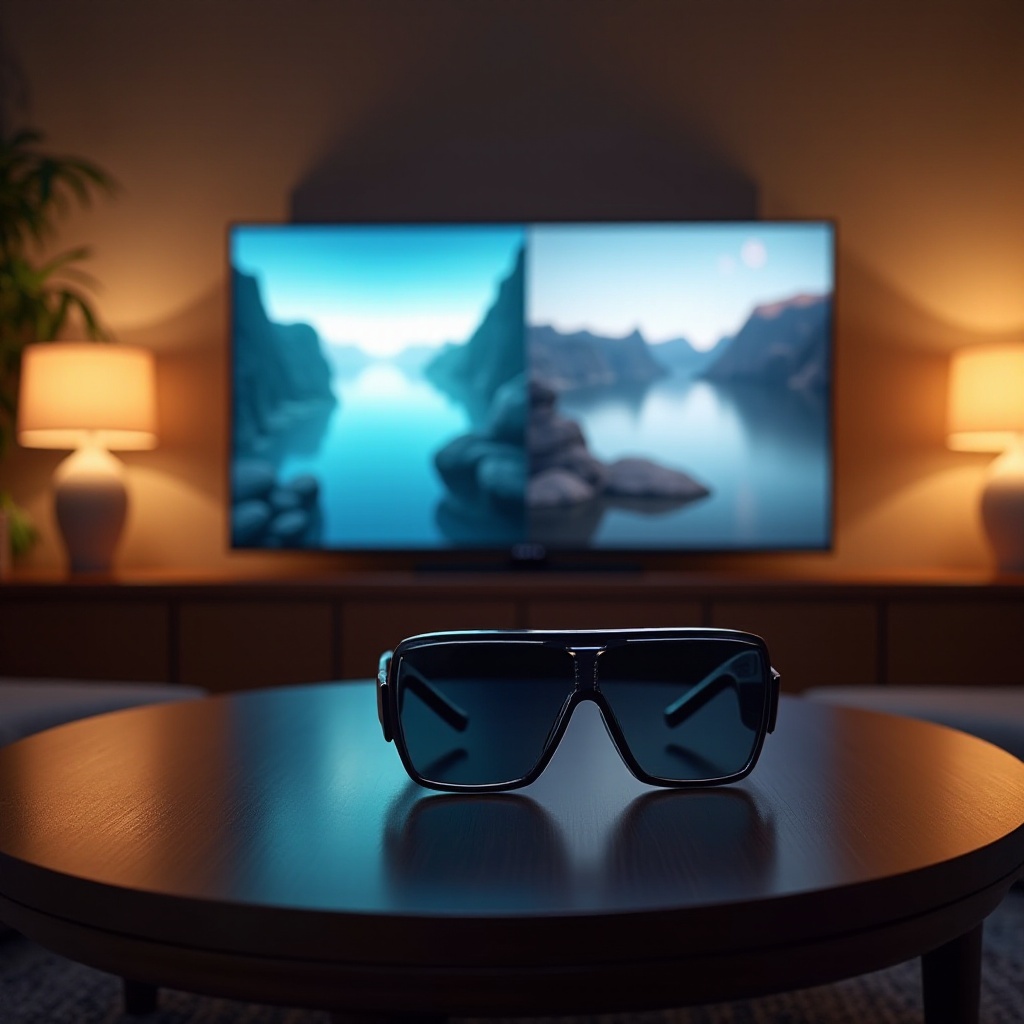
The horizon for dual screen TV technology is exciting and full of potential.
What to Expect in Upcoming Years
Expect developments in display technology, notably with more OLED availability and improved AI software for personalized recommendations. 5G integration will also offer faster content streaming and connectivity.
Innovations on the Horizon
Keep an eye on potential breakthroughs like holographic displays and augmented reality interfaces. These technologies aim to make dual screen TVs not just a part of home entertainment, but an immersive and interactive media vessel.
Conclusion
As the home entertainment ecosystem evolves, dual screen TVs with glasses stand out as significant innovations. They not only enhance viewing experiences but also redefine how media is interacted with on a holistic level. With continuing advancements, the potential for enriched and integrated entertainment is vast and promising.
Frequently Asked Questions
Are dual screen TVs with glasses suitable for all content types?
Dual screen TVs enhance several media forms, but not all content is designed for dual screen or 3D features. Brands are expanding compatibility.
Can existing TVs be upgraded to support dual screens with glasses?
Traditional TVs generally lack the necessary hardware for dual screens. Upgrades typically require purchasing compatible models.
What are the maintenance requirements for dual screen TVs and glasses?
Regularly clean glasses and screens with recommended products. Consistently update software for optimal performance and device longevity.