Introduction
Smartphones, particularly iPhones, function as powerful compact computers. Packed with advanced components within a small frame, managing heat effectively is essential. The heatsink plays a vital role in dissipating the heat generated during demanding tasks, ensuring your iPhone operates efficiently and extends its lifespan. This guide will explore the workings of iPhone heatsinks, why they are crucial, and recognize signs of overheating.
Understanding the iPhone Heatsink
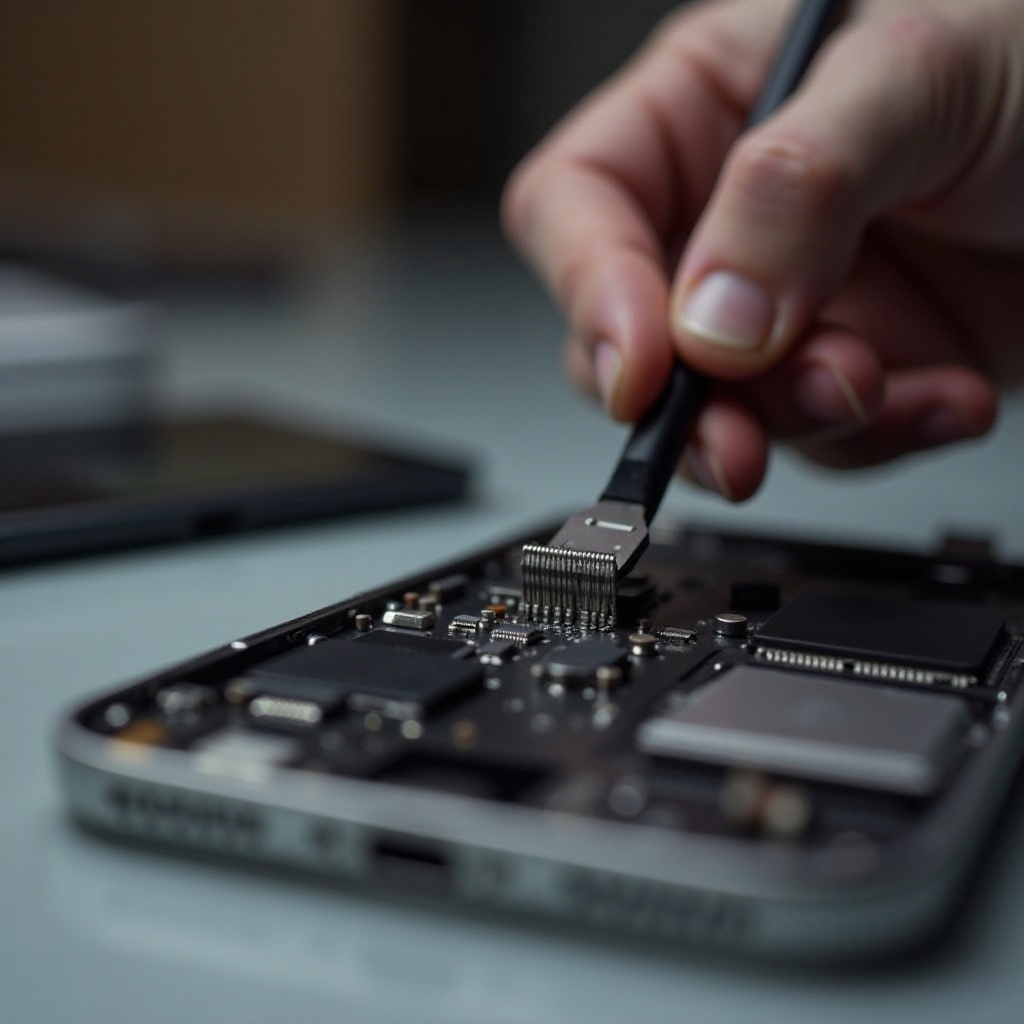
A heatsink is a significant component designed to absorb and distribute excess heat efficiently. In iPhones, the heatsink maintains an optimal operating temperature, preventing performance drops. By transferring heat away from the processor and other sensitive parts, it keeps the device running smoothly.
Understanding the functions of a heatsink sets the foundation for recognizing its importance in sustaining your iPhone’s performance. Now, let’s examine why effective heat management is vital for your device.
Why iPhones Need Effective Heat Management
Heat can severely impact an iPhone’s performance, causing temporary slowdowns and potential long-term harm. When an iPhone overheats, it may slow down to protect its components. This throttling impacts user experience by reducing processing speed, depleting the battery faster, and risking data integrity. Therefore, managing heat is crucial for both your phone’s performance and its longevity.
This need for efficient heat management becomes clearer when considering advancements in iPhone models since 2024. Let’s explore how these improvements have enhanced iPhone heatsinks.
The Technology Behind iPhone Heatsinks
Since 2024, iPhones have embraced significant advances in heatsink technology. The transition from aluminum to advanced materials like copper and graphene has improved heat dissipation. Copper offers high thermal conductivity for quicker heat dispersal, while graphene provides lightweight and efficient cooling solutions. These technological strides have enhanced the phones’ ability to handle intensive applications without overheating.
With these advancements underscoring Apple’s dedication to heat management, it’s essential to understand how iPhone heatsinks compare to competitors. This comparison highlights Apple’s unique thermal solutions.
iPhone Heatsinks vs. Competitor Solutions
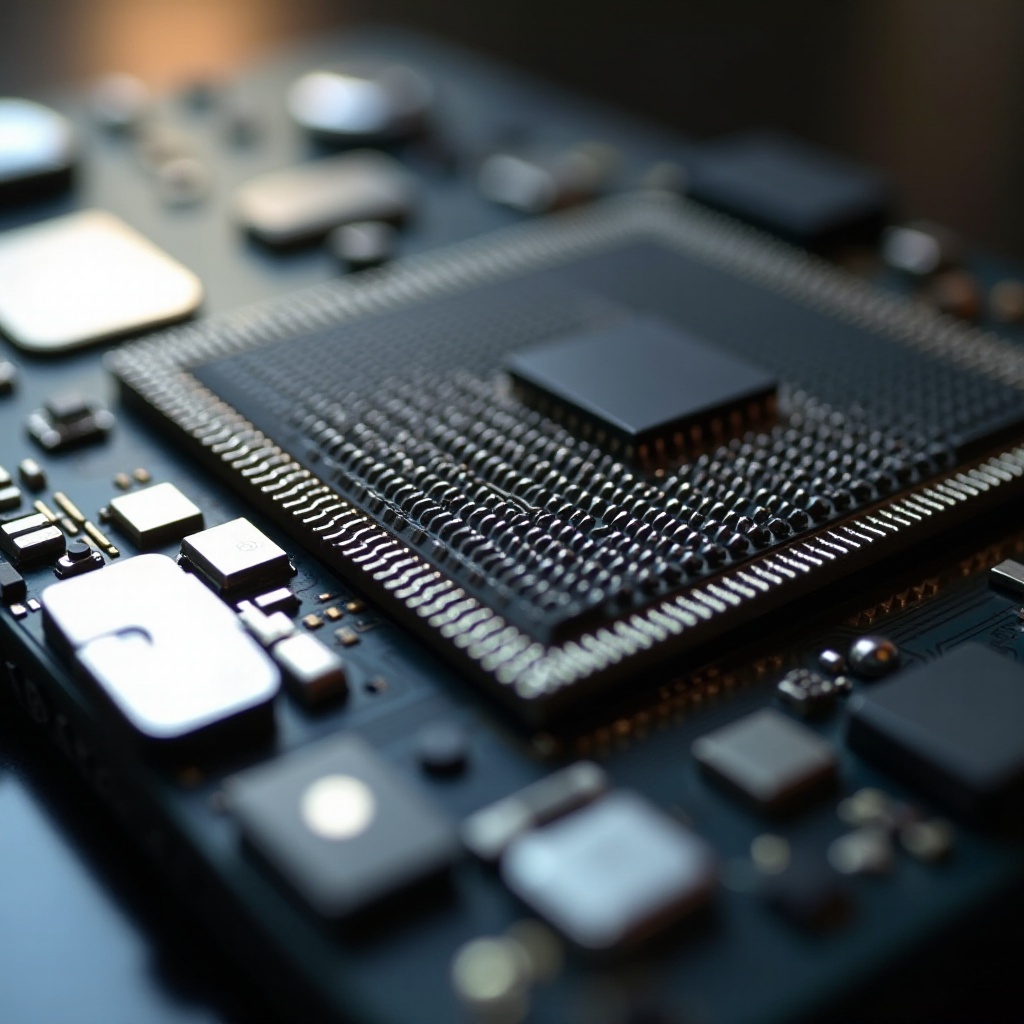
In the sphere of smartphones, effective thermal management strategies are not unique to Apple. Companies like Samsung and Google Pixel employ different variations of heatsinks. While some competitors focus on passive cooling methods or intricate thermally conductive layers, Apple’s approach integrates hardware and software for optimal results.
Apple’s strength lies in its unified design, where the heatsink harmonizes with software adjustments for camera and app usage, ensuring consistent performance. iPhones are praised for their efficient thermal management, even with prolonged use.
Understanding this advantage helps identify symptoms when things might malfunction. It is vital to recognize common signs of iPhone overheating discussed in the subsequent section.
Common Signs of iPhone Overheating
Early detection of overheating symptoms can prevent significant damage to your iPhone. Here are common signs to watch for:
- Device Feels Hot: A warm device is expected, but excessive heat warrants attention.
- Screen Dimming: The display may dim to manage internal temperature.
- Slow Performance: Apps load slowly, and the device may respond sluggishly.
- Battery Drains Quickly: Overworked components can lead to faster battery depletion.
Awareness of these symptoms is crucial, but more importantly, knowing how to tackle them. Let’s delve into practical strategies for managing and preventing overheating.

Practical Tips to Manage and Prevent Overheating
To keep your iPhone’s temperature in check, try these steps:
- Update Software Regularly: Apple frequently releases updates with performance optimizations and heat management tweaks.
- Avoid Direct Sunlight: Keep your device away from direct sunlight or hot environments.
- Reduce Background Activity: Close unnecessary apps running in the background.
- Use Airplane Mode: Engaged GPS and data functions can increase heat production. Use Airplane Mode when not active.
- Invest in a Quality Protective Case: Some cases promote better airflow and are designed for heat dissipation.
Applying these strategies ensures optimal performance. In conclusion, we summarize the importance of proactive heat management.
Conclusion
Effective heat management is crucial to preserving iPhone performance and extending its lifespan. Understanding the critical role of a heatsink, recognizing signs of overheating, and following practical tips can help maintain your device in peak condition. Keeping your iPhone cool ensures smoother performance and protects your investment.
Frequently Asked Questions
How can I tell if my iPhone’s heatsink is failing?
If you experience persistent overheating, unusual battery drainage, or unexpected shutdowns, it might indicate a heatsink problem. Consult a professional for a diagnostic check.
Are external cooling cases effective for iPhone overheating?
External cooling cases can assist in heat management by improving airflow and aiding in thermal regulation. However, they should be used along with other strategies for optimal results.
How often should I perform maintenance to ensure my iPhone’s heatsink functions properly?
Regular software updates and periodic checks for signs of overheating should suffice. Consistently follow preventive measures to avoid excessive stress on the device.