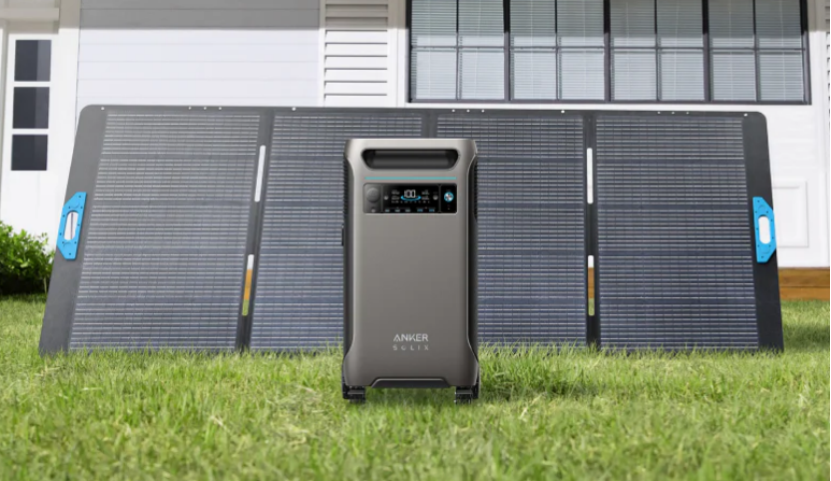
Camping trips are more enjoyable when you have reliable power for lights, phones, cameras, and other essential gear. Folding solar panels are increasingly popular among campers because they offer portable, renewable energy without bulky installations or loud generators. However, not all solar panels are equally suited for every camping style. To choose the best option for your needs, it’s important to understand key features that influence performance, durability, and overall value on the trail.
Key Factors to Consider When Choosing Folding Solar Panels for Camping
Selecting the right folding solar panels can make a significant difference in your camping experience. Below are the most important aspects to evaluate before making a purchase.
Wattage and Power Output
The first thing to consider is how much power you need. Wattage determines how quickly a solar panel can generate electricity. Lower-wattage panels, such as 30W models, are ideal for charging smartphones, tablets, and small devices on short outings. Mid-range panels around 100W–200W can support larger needs like power banks, cameras, or portable speakers. For campers with higher power demands, like running lights, fans, or charging multiple devices, higher-wattage panels offer faster energy generation and greater flexibility during extended trips.
Solar Cell Efficiency
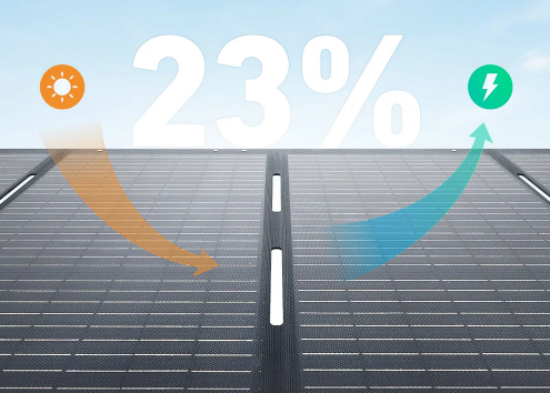
Efficiency refers to how effectively the panel converts sunlight into usable electricity. Higher-efficiency panels can produce more power in limited sunlight or smaller surface areas, an important factor when you’re camping in forested or uneven terrain. Many folding solar panels use monocrystalline solar cells with efficiencies up to 23%, helping ensure you get the most out of available daylight. Panels with higher efficiencies charge faster and make better use of variable sunlight conditions.
Portability and Weight
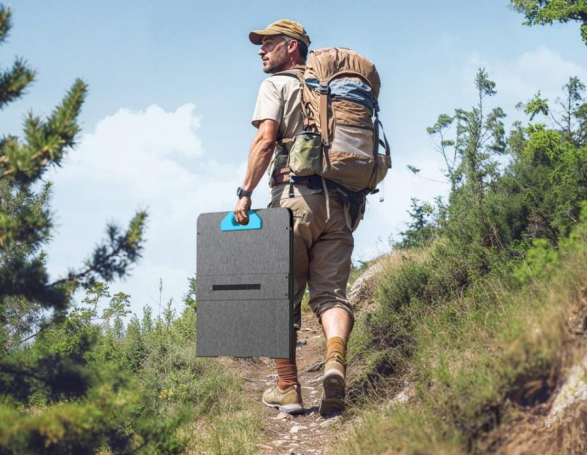
Camping gear needs to be as portable as possible, and folding solar panels are no exception. Weight and folded size matter when you’re packing multiple items, especially for backpacking or trekking trips. Look for lightweight, compact panels that fold down easily and come with carrying handles or cases. Anker’s foldable solar panel designs aim to balance solid power output with travel-friendly portability, making them suitable companions for a range of camping styles.
Durability and Weather Resistance
Camping environments expose gear to rain, dust, and occasional rough handling. Durable construction and weather resistance are essential features for folding solar panels. Many models offer weatherproof ratings like IP65 or IP67, protecting panels from splashes, rain, and dirt. Some panels also include tough surface coatings like ETFE, which help resist scratches and wear.
Adjustable Angle and Setup Convenience
Being able to position your solar panel toward the sun makes a big difference in how much energy it can collect. Look for panels with adjustable stands or kickstands that let you change angles throughout the day. Multiple angle settings help optimize sun exposure during morning, noon, and afternoon, boosting overall energy capture without a complex setup.
Compatibility with Devices and Power Stations
Different camping setups may require varying connection types. Some folding solar panels include USB-A or USB-C ports for direct charging of phones and tablets. Others are designed to feed energy into portable power stations, storing electricity for use when sunlight isn’t available. When choosing a panel, consider how you plan to power your devices and make sure the connection types and voltages match your gear.
Value and Warranty Support
Finally, consider the overall value and manufacturer support. Higher-quality panels often come with longer warranties and responsive customer service, adding peace of mind to your purchase. While cheaper panels may seem attractive upfront, investing in a panel with good support and reliability can save you frustration in the long run.
Conclusion
Choosing the best folding solar panels for camping comes down to evaluating your power needs, travel style, and environmental conditions. By considering factors like wattage, efficiency, weight, durability, and compatibility, you can find a panel that keeps your devices charged and your adventure powered. Whether you’re heading out for a weekend getaway or planning a long-term outdoor journey, the right solar panel enhances your experience and offers renewable, quiet energy wherever you roam.
Visited 1 times, 1 visit(s) today