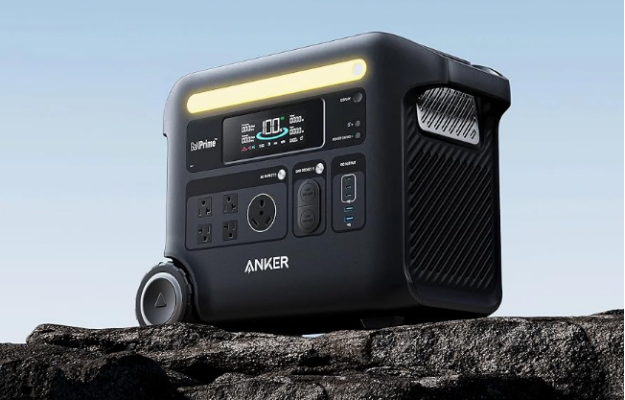
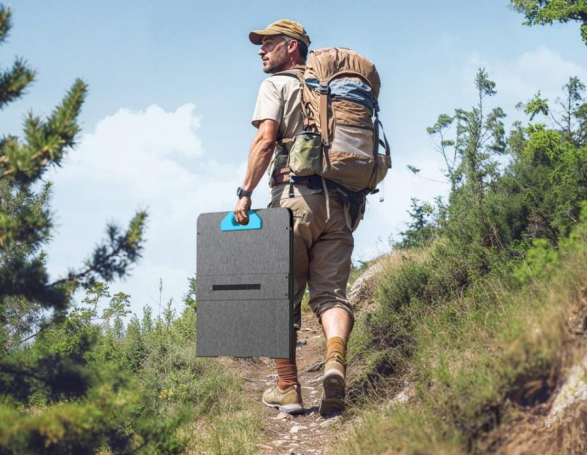
Camping solar panels have become essential for outdoor enthusiasts who want reliable electricity in the wild. Whether you are backpacking, car camping, or using an RV, a solar panel can provide power for lights, phones, fridges, or small appliances. Choosing the right camping solar panels requires understanding three key factors: size, efficiency, and power output. Size determines how portable the panel is, efficiency indicates how well it converts sunlight into usable energy, and power output shows how much electricity you can actually get. In this guide, you will learn how these factors affect your camping experience. We will break down technical terms in simple language, explain how to estimate your power needs, and help you pick the right solar panels for your trips. By the end, you will feel confident choosing camping solar panels that fit your outdoor lifestyle.
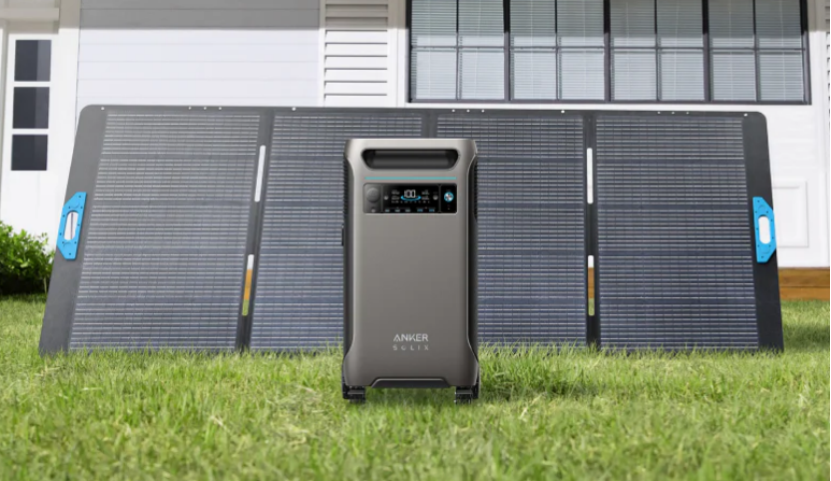
How Solar Panels Work on Camping Trips
Camping solar panels work by converting sunlight into electricity through photovoltaic cells. These cells capture sunlight and generate a flow of electrons, which produces electrical current.
What Solar Panel Ratings Mean: Watts, Efficiency & Output
The most common rating you will see is watts. This indicates the maximum amount of electricity a panel can produce under ideal conditions. Efficiency shows how well the panel converts sunlight into electricity. Higher efficiency panels produce more power in a smaller space. Power output refers to how much electricity you actually get in real-world conditions.
What Affects Real-World Power Production
Several factors reduce the actual power you get from camping solar panels. The angle of the sun, weather conditions, temperature, and shading from trees or tents all play a role. Wiring quality and panel placement also affect performance. Understanding these factors will help you plan where and how to set up your panels to get the most electricity during your trip.
What Size Solar Panel Do You Need?
Choosing the right size of camping solar panels depends on your energy needs and your camping style.
Estimate Your Daily Power Needs
Start by listing all the devices you want to power. This might include phones, LED lights, GPS units, or a small fridge. Calculate the total energy each device uses in a day, usually measured in watt-hours. For example, a phone charger might use 10 watt-hours per full charge, while a small camping fridge might use 500 watt-hours. Summing up these numbers gives you the minimum energy your solar panels need to provide each day.
Matching Panel Size to Camping Style
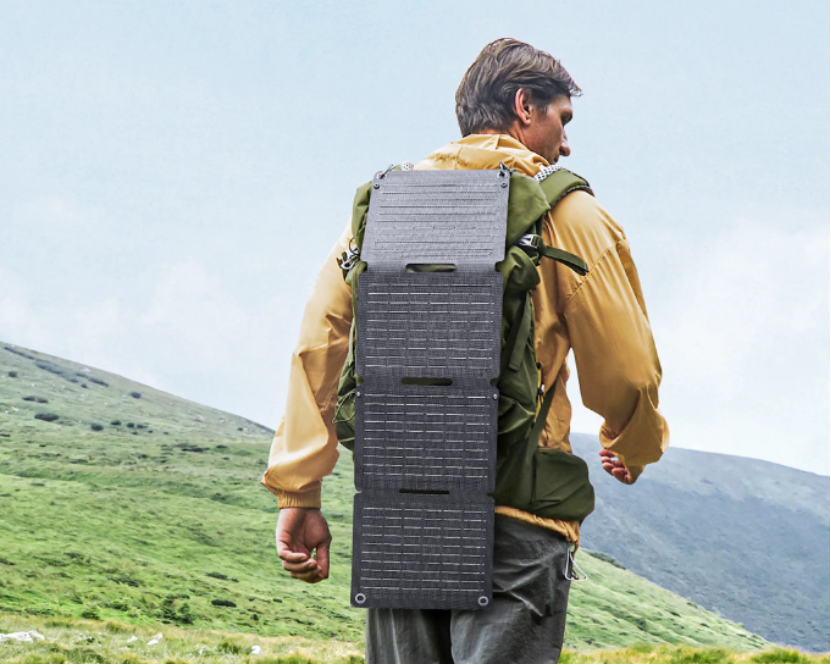
If you are backpacking, lightweight, foldable panels are best, even if they produce less power. For car camping or RV trips, larger rigid panels are fine and can generate more electricity. Consider how much space you have to carry or mount panels and how easy it is to adjust them to face the sun. By balancing portability and output, you can find camping solar panels that meet your daily energy needs without weighing you down.
Efficiency Explained: What It Is & Why It Matters
Efficiency tells you how well camping solar panels turn sunlight into electricity. Higher efficiency panels generate more power in a smaller space.
Mono vs. Poly vs. Other Panel Types
Monocrystalline panels are efficient and compact, making them ideal for limited space. Polycrystalline panels cost less but take up more space for the same power. Flexible and thin-film panels are lightweight and portable but usually less efficient. Choosing the right type depends on whether you prioritize portability or maximum power output.
Real-World Efficiency Loss Factors
Efficiency can drop due to shading, high temperatures, dust, or dirt on the panel. Wiring and connectors also reduce performance slightly. Proper placement and maintenance of camping solar panels help minimize these losses and ensure you get the electricity you need during your outdoor trip.
Power Output in Practice: Choosing the Right Panel
Power output is what determines if your camping solar panels can meet your energy needs.
Portable vs. Rigid Panels: Pros & Cons
Portable panels are lightweight and easy to carry, ideal for backpacking. Rigid panels are larger and generate more electricity, making them better for car camping or RVs. Consider how much energy you need versus how much weight you are willing to carry.
How Many Watts You Really Get in Camping Conditions
The rated wattage of a panel assumes perfect sunlight and ideal positioning. In reality, you will get less due to weather, angle, and other losses. Experts suggest planning for 20-30% less output than the rated capacity. This ensures you have enough electricity for all your devices even in less-than-perfect conditions.
Conclusion
Choosing the right camping solar panels is easier when you understand size, efficiency, and power output. Start by calculating your energy needs, then decide on panel type and size based on your camping style. Pay attention to real-world factors like shading, angle, and weather that affect performance. With careful planning, camping solar panels can reliably power your devices and improve your outdoor experience. Portable panels offer convenience, while larger rigid panels provide maximum energy. Understanding how efficiency and real-world output affect your panels ensures you choose the right setup for your trips. By following these guidelines, you can enjoy the outdoors without worrying about running out of electricity. Your camping solar panels will keep your devices charged, lights on, and your camping experience smooth and enjoyable.
Visited 1 times, 1 visit(s) today