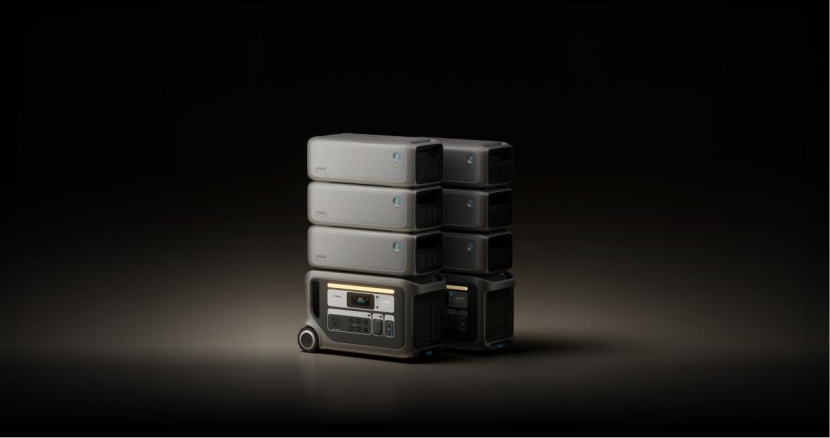
Energy control influences far more than bills or appliances. It shapes how people feel about safety, routine, and independence in their daily lives. The moment a household realizes it can produce and store its own energy, a subtle psychological shift begins. Power no longer feels like something controlled entirely by the grid. Instead, it becomes something the user manages actively—something predictable, accessible, and resilient. A solar storage system, such as the Anker SOLIX F3000 and its 400W portable solar panel, demonstrates how dependable stored sunlight changes user behavior and mindsets. People sleep better, plan better, worry less, and feel more in command of their environment. That emotional assurance becomes one of the most meaningful outcomes of energy control.
How Energy Control Strengthens Emotional Stability in Households
Reduced Anxiety Comes From Knowing Power Will Stay On
Energy insecurity creates stress. Storm alerts, heat waves, rolling blackouts, and power-price spikes all trigger uncertainty. When people don’t know whether electricity will stay available, they worry about food spoiling, medical devices shutting off, or simply losing access to communications. A dependable storage system shifts this emotional landscape. With ultra-low idle consumption supporting up to five days of standby and the ability to keep a refrigerator cool for nearly two days, the F3000 allows households to anticipate outages calmly. Instead of dread, there is preparation. Stored solar energy replaces fear with readiness, allowing families to focus on their lives instead of worrying about external conditions they can’t control.
Consistent Power Builds a Sense of Control and Personal Stability
Feeling in control over one part of life can dramatically increase overall emotional stability. When households store solar energy, they gain a practical tool that directly strengthens that sense of agency. Running lights, charging devices, and keeping essential appliances powered becomes something users actively manage. Fast solar charging—less than two hours with dual-voltage input—adds another layer of confidence. Power is no longer passive; it becomes a resource guided by the user. Over time, this shapes identity. People feel capable rather than vulnerable. They shift from hoping the grid remains stable to trusting their own stored energy supply to carry them through.
Security Increases When Essential Needs Stop Feeling Fragile
Electricity powers healthcare devices, food storage, climate control, and communication. When these necessities feel fragile, stress levels rise. Stored solar energy solidifies these functions, turning them into reliable fixtures of everyday life. The F3000’s 3,600W pass-through power means even when the unit charges, devices keep running at full speed. That stability matters psychologically. Parents feel safer knowing a blackout won’t affect their children’s comfort. Older adults feel reassured that essential appliances will run consistently. Even during long outages, families retain a sense of normalcy. When essential needs are protected, people feel more grounded, balanced, and emotionally secure.
How Energy Control Influences Motivation, Lifestyle, and Decision-Making
Stored Energy Encourages More Confident Long-Term Planning
People make different decisions when they feel supported by a stable solar power bank. Instead of planning only day-to-day around outages or grid reliability, they begin thinking in longer time frames. Backup events no longer interrupt routines or goals. With flexible capacity expandable to 24kWh, the F3000 makes week-long preparedness realistic. Users start planning for travel, home improvements, remote work setups, and even caregiving with the expectation that energy will be available when needed. This confidence unlocks motivation. Instead of postponing plans because “the power might go out,” people move forward, knowing stored solar energy can keep them on track.
Having Reliable Power Improves Productivity and Focus
Power instability disrupts concentration. Students lose study time, remote workers lose connection, and households lose rhythm. With dependable solar storage, those interruptions fade. The predictable stability of stored sunlight—especially with rapid recharge speeds and strong pass-through performance—creates a psychological environment where people can focus on their work without worrying about what might happen to their power supply. Mental bandwidth expands when household energy feels predictable. Users become more productive, not because they suddenly have more hours, but because they regain the uninterrupted rhythm that modern life requires.
Energy Independence Inspires a Stronger Sense of Autonomy
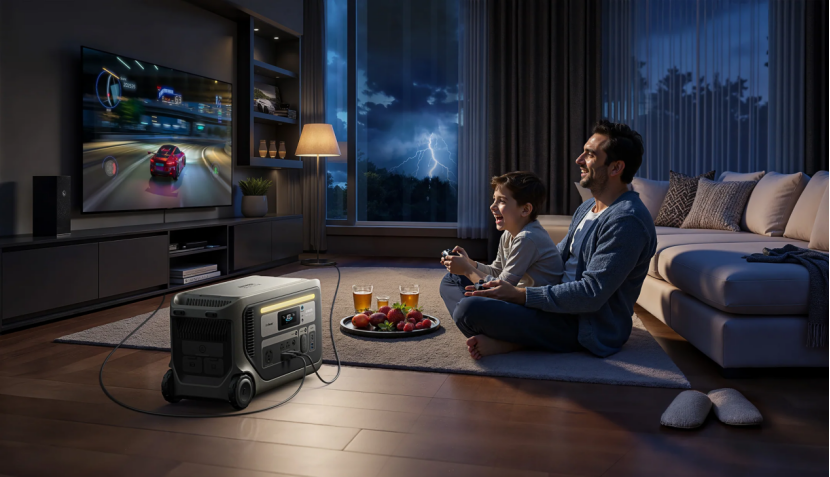
Autonomy is a powerful psychological driver. Stored solar energy provides a tangible form of independence—one that users experience every time they avoid peak billing rates, rely on sunlight instead of fuel, or keep appliances running during grid failures. With the F3000’s time-of-use and self-consumption modes, households actively direct when to use stored energy and when to recharge. They become participants in their energy system rather than passive recipients of utility service. That independence reinforces pride, confidence, and self-reliance. People enjoy knowing they are less vulnerable to external fluctuations, whether financial or environmental. Stored sunlight becomes a personal empowerment tool as much as a practical asset.
Conclusion
The psychological value of energy control reaches far beyond technical features or outage protection. It gives people emotional security, stability during uncertainty, and a deeper sense of autonomy. Stored sunlight empowers users to prepare confidently, plan long-term, and maintain normalcy even when the grid falters. The Anker SOLIX F3000 paired with a 400W portable solar panel amplifies this effect through reliable pass-through power, fast solar recharging, low idle draw, and flexible storage expansion. As households experience these benefits, energy control becomes a source of calm and confidence—supporting daily routines, future planning, and emotional well-being. In this way, a dependable solar power bank transforms not only how people use energy but also how they feel in their homes.
Visited 1 times, 1 visit(s) today