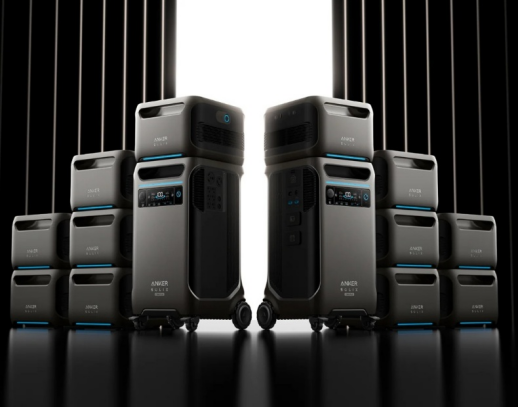
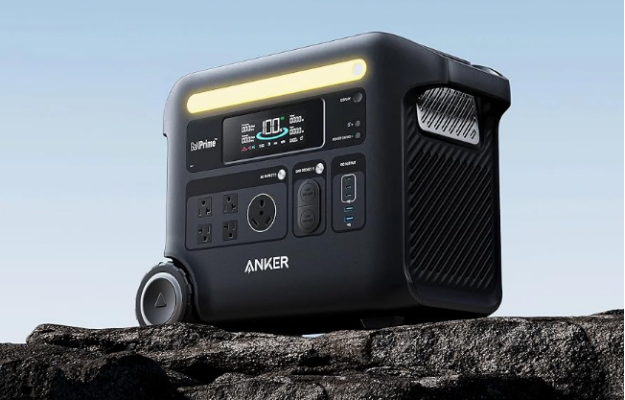
A solar-powered generator provides clean, quiet, and portable energy—but its efficacy is dependent on how effectively you control your power use. With limited battery capacity and unpredictable solar input, sophisticated energy management is needed. Using too many devices at once, or failing to manage consumption, can quickly deplete your battery and degrade performance. Whether you’re off-grid, camping, or planning for power disruptions, understanding how to stretch available electricity is critical. This tutorial discusses why power management is important and provides practical recommendations for prioritizing loads, reducing waste, and ensuring long-term efficiency with your solar generator system.
Why Is Power Management Important for Solar Generators?
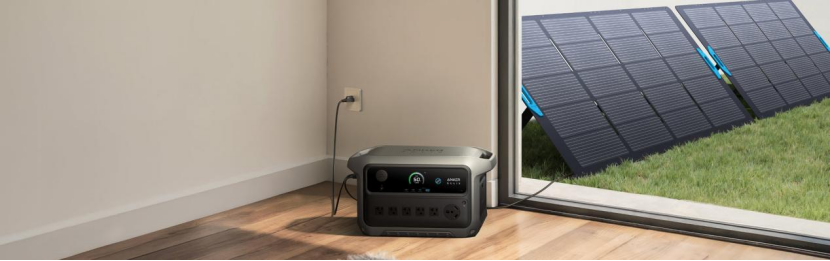
Solar generators have a set energy source, which is determined by battery capacity and solar panel input. Unlike grid power, you cannot draw a limitless amount of electricity, so you must manage how and when you use it. Poor management can result in unexpected shutdowns, reduced battery life, or the inability to power vital equipment when needed. Effective power management increases runtime, prioritizes critical loads, and effectively recharges the system based on sunshine availability. It also protects the internal battery and inverter from overcharging or overloading. Whether you use the system on a regular basis or during an emergency, understanding your generator’s output and managing your consumption appropriately provides constant, dependable functioning without unexpected disruptions or energy shortages.
How Do You Manage Power Use More Efficiently?
Prioritizing Essential Devices and Loads
To get the most from your solar powered generator, start by identifying which devices are essential. Prioritize powering phones, lights, medical equipment, and communication devices. Unless your generator is designed to handle it, avoid running numerous high-wattage things such as microwaves, space heaters, or large appliances. Use energy-efficient versions of critical items like LED lights and low-watt fans. Limit non-essential or entertainment loads during periods of low solar input. Creating a priority list helps prevent overload, extends battery life, and ensures you have adequate power for what is most important—especially during crises or overnight use when recharging is not possible.
Scheduling Usage to Match Solar Charging Times
Timing your energy usage with solar charging windows increases efficiency. Run bigger gadgets during the day when the panels are actively recharging the battery. This decreases strain on stored energy, allowing the system to recover more quickly. Charge phones, computers, or power banks in the mornings and early afternoons, when solar input is highest. If possible, avoid utilizing high-draw goods at night or on overcast days. Instead of using all of your devices at once, spread them out over the day. Scheduling your power use in this manner helps to maintain a consistent energy flow, reduces battery depletion, and utilizes available solar energy when it is most abundant.
Reducing Standby Power and Energy Waste
Even while not in use, many devices consume standby power, thus depleting your solar generator. Unplug unused chargers, devices, and appliances, especially overnight. Use power strips to turn off several devices simultaneously. Turn off LED lights, Bluetooth speakers, and Wi-Fi routers while not in use. Reduce background energy use by utilizing sleep modes or energy-saving settings on laptops and tablets. Every tiny watt accumulates over time, especially under low-input settings. By reducing superfluous standby loads and improving energy habits, you may save stored power and extend the life of your generator, allowing it to power more vital, high-value equipment.
What Are the Best Practices for Long-Term Power Management?
Battery Care, Charging Habits, and Storage
Maintaining your solar-powered generator’s battery is critical for long-term performance. Avoid completely emptying the battery; most systems work best between 20% and 80% charge. Recharge often, even while not in use, to avoid severe discharge and damage. To avoid charging in excessive cold or heat, use only recommended charging methods and check the temperature. To store the generator, put it in a cool, dry area with a partial charge (usually 40-60%) and top it off every few months. Never keep it entirely dead. Following these charging and storage procedures helps to maintain battery life, assures constant output, and increases the longevity of your solar generator investment.
Monitoring Power Use With Displays and Apps
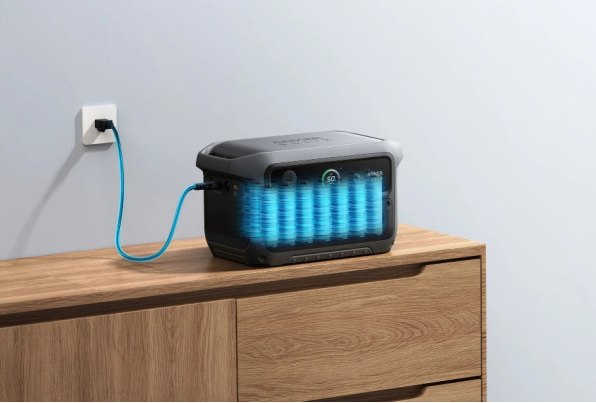
Most current solar generators include built-in screens or companion applications that provide real-time energy statistics. These tools allow you to keep track of solar panel input, current device output, and battery capacity. Use this information on a regular basis to plan your consumption and avoid unexpected shocks. If your gadget supports Bluetooth or Wi-Fi, you may remotely monitor it and receive notifications for low battery or overload. Some applications also track energy history, allowing you to change your behaviors over time. Pay attention to peak usage times and modify your routine to prevent depleting the system during low-sunlight periods. These monitoring solutions eliminate the guesswork from power management and enable you to regularly make better energy decisions.
Planning for Seasonal and Emergency Power Needs
Seasons and crises can significantly alter your power requirements, so plan beforehand. Solar input decreases during the winter or overcast months, so you may need to lower your consumption or install extra panels. Track seasonal daylight trends and adjust your charging and consumption appropriately. Maintain an emergency load plan that includes just your most vital gadgets and their wattages. Run the system on this plan to determine how long it lasts. To ensure readiness, have spare cables, extension cords, and adapters on hand. If backup power is critical, consider expanding the battery or partnering with another generator. Planning for both everyday and worst-case situations guarantees that your solar generator works all year round, regardless of the weather.
Conclusion
Smart power management maintains your solar-powered generator dependable, efficient, and prepared for any circumstance. Prioritizing critical devices, timing usage around charging periods, and reducing energy waste help to extend runtime and minimize sudden shutdowns. Long-term care, such as battery maintenance, seasonal planning, and real-time monitoring, guarantees that your system operates reliably for many years. Solar generators provide clean, portable electricity, but they are only as effective as they are maintained. Follow the advice in this guide to keep in charge of your energy use, and you’ll get the most out of every watt your generator generates, rain or shine, on-grid or off.
Visited 1 times, 1 visit(s) today