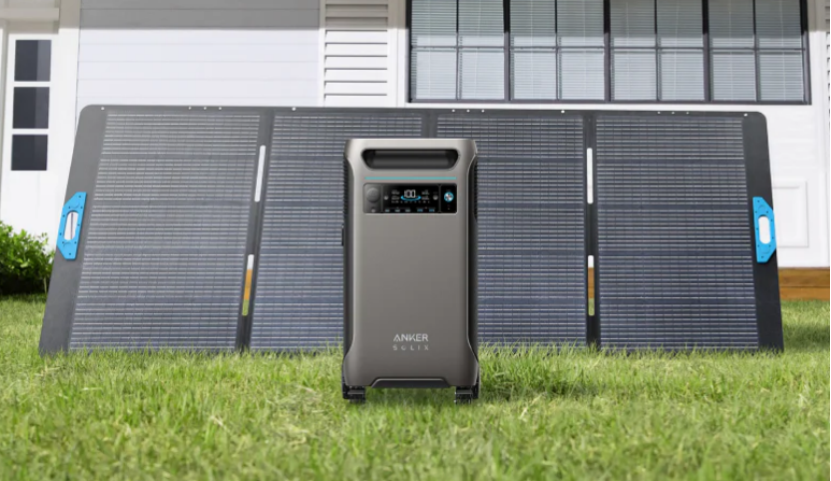
Portable power stations have become essential tools for home backup, outdoor adventures, and mobile work setups. With so many models on the market, performance differences often come down to technical details that aren’t immediately obvious. Understanding these parameters helps you choose a power station that delivers reliable, efficient energy when you need it most. From battery capacity to output ratings and charging efficiency, knowing what each specification means makes it easier to compare options and avoid costly mismatches.
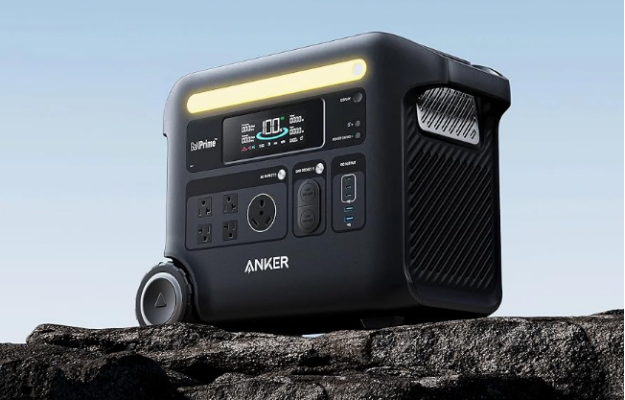
Key Technical Parameters That Define Portable Power Station Performance
To properly evaluate a portable power station, it’s important to look beyond surface-level marketing and focus on the specs that affect real-world performance.
Battery Capacity (Wh or kWh)
Battery capacity shows how much energy a power station can store and is usually listed in watt-hours (Wh) or kilowatt-hours (kWh). Higher capacity translates to longer runtime for devices like refrigerators, laptops, or power tools. Many modern systems, including Anker SOLIX portable power stations, offer expandable capacity, allowing users to increase storage as their energy needs grow.
Continuous Output and Surge Power (W)
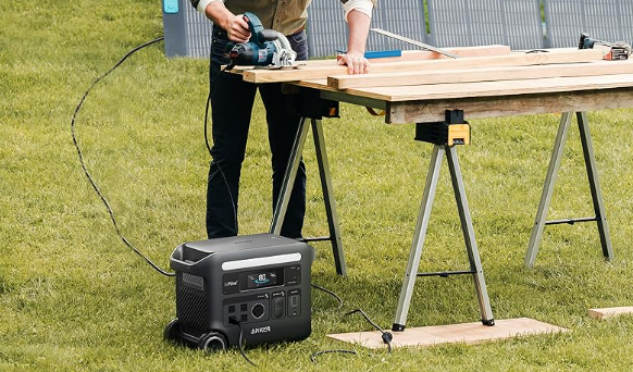
Output power determines what devices can run simultaneously. Continuous output is the steady power the station can supply, while surge power handles brief spikes needed to start appliances with motors. Understanding both ratings prevents overloading and ensures stable performance during demanding use.
Voltage, Current, and Amps Units
Power station specifications often list voltage (V) and current, measured in amps units, to indicate how electricity flows to connected devices. These values help users understand compatibility with appliances and charging equipment. Matching voltage and amps units correctly ensures devices receive safe, efficient power without strain on the system.
Battery Chemistry and Lifespan
Battery type directly affects durability and safety. Lithium iron phosphate (LFP) batteries are increasingly preferred due to their long cycle life and thermal stability. Many Anker SOLIX models use LFP chemistry, offering thousands of charge cycles and years of dependable operation compared to traditional lithium-ion batteries.
Charging Speed and Input Options
Charging speed impacts how quickly a power station can be reused. Look for models that support fast AC charging, vehicle charging, and solar input. Multiple charging options increase flexibility, especially during emergencies or outdoor trips when grid power isn’t available.
Solar Input Compatibility and Efficiency
For off-grid use, solar input capacity is critical. Higher solar input allows faster daytime recharging and extends runtime during multi-day use. Efficient solar charging reduces dependence on grid electricity and pairs well with foldable or rigid solar panels.
Output Ports and Connection Variety
A versatile power station includes multiple output ports such as AC outlets, USB-A, USB-C, and DC ports. Some advanced units also support higher-voltage outputs for demanding applications. The variety and number of ports determine how many devices you can power at once.
Inverter Quality and Waveform
The inverter converts stored DC power into AC power. High-quality inverters provide pure sine wave output, which is essential for sensitive electronics like laptops and medical devices. Efficient inverters reduce energy loss and improve overall system performance.
Thermal Management and Safety Systems
Built-in cooling systems and battery management systems protect against overheating, overcharging, and short circuits. These safety features ensure consistent performance and extend the lifespan of the power station during heavy use.
Smart Monitoring and Control
Many modern power stations include app-based monitoring that displays battery levels, input/output data, and usage patterns. Monitoring current flow in amps units through these tools helps users manage loads more effectively and avoid unexpected shutdowns.
Conclusion
Portable power station performance depends on a combination of technical parameters, not just battery size alone. Capacity, output power, battery chemistry, charging speed, inverter quality, and electrical ratings all play important roles in real-world usability. By understanding how specs like voltage, current, and amps units work together, users can make informed decisions and choose a system that truly fits their needs. With thoughtfully engineered options like Anker SOLIX portable power stations, reliable power becomes easier to achieve wherever life takes you.
Visited 1 times, 1 visit(s) today